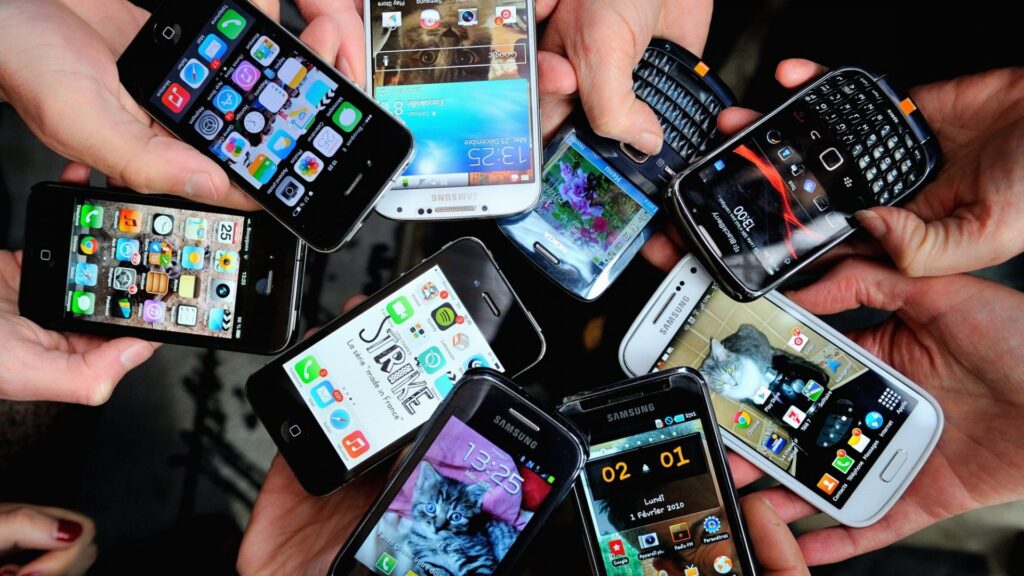
I upgrade my phone every single year. Sometimes twice a year if something really exciting comes out. My wife calls it an addiction. I call it staying current with technology. We’ve agreed to disagree.
But here’s what five years of serial upgrading taught me: if you’re going to be the person who always has the latest phone, you better get really good at selling your old ones. Otherwise, you’re just burning money for fun.
The First Upgrade Mistake
My first big upgrade was five years ago. I had an iPhone 12 and the iPhone 13 Pro had just launched. I wanted it immediately. That camera system. That ProMotion display.
Nobody bought it. For three weeks, my listing just sat there. Then Rs.50000. Finally, someone offered me Rs.42000 and I took it because I needed the drawer space more than I needed to wait for a better offer.
Here’s what I didn’t know then: phones depreciate fast. Really fast. That six months I waited? That cost me probably Rs.15000 in lost value. Maybe more.
The Timing Revelation
After that expensive lesson, I started researching. Turns out phone depreciation follows a pretty predictable pattern.
Over the first year, phones typically lose 40-50% of their retail value. By year two, you’re looking at 60-70% depreciation.
It’s steepest right at the beginning and after new models launch. That means timing matters more than almost anything else.
Just from the announcement. Before the new phones even shipped.
The pattern was clear: if you’re going to sell, sell before the new model announcement. Not after. Definitely not months after.
Year Two: Better Strategy
I listed my iPhone 13 Pro in early August, a full month before the announcement.
I sold it within three days for Rs.725. The phone had cost me Rs.1,09900 new.
The math started making sense. If I could consistently get 65-70% of my money back by timing the sale right, upgrading every year became almost affordable. Almost.
I kept detailed spreadsheets. Each phone, purchase price, sale price, time held, net cost. My wife found the spreadsheet and asked if I needed therapy. I told her the spreadsheet was therapy.
The Condition Factor
Year three taught me that condition matters more than I thought.
I used a good case from day one. Screen protector applied before I even turned the phone on. I was careful about where I set it down. No more tossing it on rough surfaces or letting it rattle around in my car’s cup holder.
When I sold that iPhone 14 Pro after a year, it looked almost new. One tiny scratch on the aluminum frame that you had to search for to find. Everything else was pristine.
That premium was real. I listed it for Rs.80000 and got my asking price within hours. Multiple people wanted it. I could have probably asked for more.
The buyer even commented when we met up: Wow, this really does look new. That extra care I’d taken translated directly into money in my pocket.
Net cost for that year: Rs.29900. For a full year of having the latest iPhone. That felt like winning.
The Accessory Discovery
Here’s something I wish I’d known from the start: keep everything. The box. The charging cable. The little papers nobody reads. The SIM ejector tool. Everything.
During year four, I sold an iPhone 15 Pro Max with the complete original packaging. Every accessory, every piece of paper, the whole deal. I compared my listing to others and mine looked professional. Complete. Trustworthy.
I sold it for Rs.5000 more than comparable listings that didn’t have the box. Same condition. Same model. Same storage. The only difference was presentation.
People pay more for phones that come with everything. It signals that you took care of the device. That you’re the kind of person who doesn’t lose stuff.
Now I have a system. When I get a new phone, the box goes immediately into my closet. All accessories stay in the box. When I sell the phone a year later, everything goes back in like it’s a museum exhibit.
The Market Research Habit
By year five, I’d gotten pretty good at this. I learned to research actively, not just when I was ready to sell. I’d check prices monthly just to see where things were trending.
I noticed patterns. Summer months were slower for sales. People spent money on vacations instead of phones. Fall was crazy busy because everyone was preparing for the holidays or wanting the new models.
January and February were interesting. Lots of people got money for the holidays or had tax refunds coming. They were buying, but they wanted deals. Spring was steady. Predictable.
I also learned which phones held value better. iPhones depreciated less than most Android phones, but Pro models held value better than base models. Max/Plus sizes were hit or miss depending on the year.
Storage capacity mattered too. People buying used wanted more storage because they were already being budget-conscious.
The Platform Problem
I tried every selling platform over these five years. Local marketplaces, auction sites, trade-in programs, services that buy devices in various conditions, dedicated phone resale sites, even Facebook groups.
Each had pros and cons. Local meetups got me the best prices but required meeting strangers and dealing with lowball offers. Online platforms were convenient but took fees and shipping ate into profits. Trade-in programs were stupid easy but paid the least.
I eventually settled on a mix. For phones in perfect condition that I’d timed well, I used platforms with reliable buyback services that offer competitive rates. They’d quote me a price, send a shipping label, and pay within days of receiving the phone. Clean. Simple. Fair prices.
For phones with issues or ones I’d waited too long to sell, local sales sometimes worked better because I could explain the condition in person and negotiate on the spot.
The key was being flexible. The best platform depended on the specific situation.
The Real Cost Analysis
After five years and six different phones, here’s what the numbers actually looked like:
Phone 1 to 2: Lost Rs.67900 learned expensive lessons
Phone 2 to 3: Lost Rs.37400 getting smarter
Phone 3 to 4: Lost Rs.29900 timing is everything
Phone 4 to 5: Lost Rs.25000 condition matters
Phone 5 to 6: Lost Rs.28000 pretty consistent now
Total spent on new phones: Rs.6,59400
Total recovered from sales: Rs.4,71200
Net cost over five years: Rs.1,88200
That’s Rs.37600 per year to always have a current flagship phone. People spend that much on streaming services they forget they have.
My wife still thought I was nuts, but she couldn’t argue with the math.
What I’d Tell My Past Self
First, sell before announcements, not after that one rule would have saved me hundreds.
Second, treat your phone like you’re going to sell it from day one. Case, screen protector, careful handling. It’s not paranoia if it pays off.
Third, keep every single thing that comes in the box. That Rs.5000 premium for complete packaging is real.
Fourth, don’t wait. Every month you hold an old phone, it loses value. Sell within two weeks of getting the new one.
Fifth, research constantly. Know what your phone is worth at all times. Markets change. Demand shifts. Stay informed.
Sixth, be realistic about conditions. That scratch you think nobody will notice? Buyers will notice. Price accordingly or fix it if possible.
The Philosophy Shift
It also made me more intentional about what I bought. Did I really need the 1TB model? Or would 256GB work fine and save me money on both ends? Did I need the absolute latest release, or could I wait two months and get the same phone for less?
The Environmental Angle
One unexpected benefit: I started thinking about the environmental impact. Every phone I sold went to someone else who used it. It didn’t sit in a drawer becoming obsolete. It didn’t end up in a landfill.
My serial upgrading habit, which seemed wasteful on the surface, was actually keeping phones in circulation longer.
I’m not trying to win environmental awards here. But it made me feel slightly less guilty about my upgrade addiction.
Current Strategy
Now in year six, I’ve got this down to a science. I know exactly when to list, where to sell, how to price, and what condition buyers expect. My net annual cost has stabilized around Rs.28000-32000 per year.
That’s my fee for always having the current flagship. Some people spend that much on coffee. I spend it on staying current with mobile technology. We all have our things.
The key lessons: timing beats condition, but condition beats storage capacity, and storage capacity beats hoping someone lowballs themselves.
So maybe I’m a useful kind of crazy.
Five years. Six phones. A lot of lessons learned. And a spreadsheet I’m weirdly proud of.
If you’re going to be a serial upgrader like me, at least be a smart one. Your bank account will thank you, even if your spouse still gives you that look.
Keep an eye for more latest news & updates on Buzz Feed!