Every workplace is powered by people, and just like every machine has parts that run perfectly and others that need tuning, employees have their own mix of strengths and weaknesses. Strengths accelerate growth. Weaknesses? They can quietly slow the entire operation if left unaddressed.
This isn’t about labeling someone as “good” or “bad” at their job. It’s about recognizing the human side of work: everyone has areas for improvement, and those areas — if approached correctly — can turn into powerful growth opportunities.
The challenge for managers is figuring out where those weak spots are hiding. Some show up in obvious ways — missed deadlines, poor communication — while others are subtle, like losing focus during critical work hours or struggling with task prioritization.
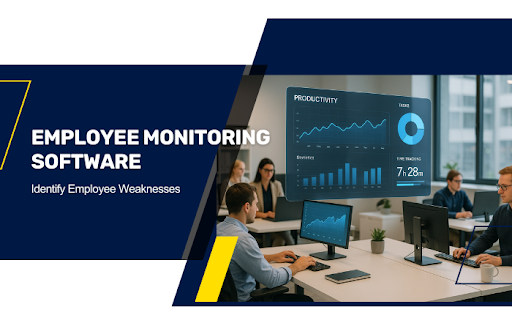
Here’s the good news: modern employee monitoring software transforms this from guesswork into a data-driven process. Instead of relying solely on gut feelings or sporadic observations, you can identify patterns, measure productivity, and spot bottlenecks — all without falling into the trap of micromanaging.
What Do We Mean by “Employee Weaknesses”?
In simple terms, employee weaknesses are consistent patterns of underperformance or struggle in specific areas of a role. They’re not fixed traits — they’re more like “areas of opportunity” that, with the right coaching, tools, and support, can dramatically improve.
Think about it:
- A brilliant designer might produce amazing concepts but struggle to meet deadlines.
- A technically skilled developer might find it difficult to communicate progress clearly to non-technical colleagues.
- A project manager might excel at planning but lose focus when juggling multiple priorities.
The point isn’t to judge — it’s to identify and address these friction points so employees can do their best work.
Common Examples of Employee Weaknesses
Patterns often repeat across industries, roles, and even team cultures. Here are some of the most frequently observed weaknesses in modern workplaces:
- Poor Time Management – Struggling to prioritize tasks, leading to rushed or incomplete work.
- Procrastination – Delaying important tasks until they become urgent crises.
- Low Attention to Detail – Missing small but crucial elements, resulting in rework.
- Difficulty in Communication – Struggling to convey ideas clearly, causing misunderstandings.
- Resistance to Change – Hesitation or pushback when faced with new processes, tools, or strategies.
- Distractions & Lack of Focus – Getting sidetracked by non-work activities or ineffective multitasking.
- Trouble Collaborating – Preferring to work in isolation, leading to team disconnect.
- Missed Deadlines – Repeatedly falling behind schedule, affecting team momentum.
Why Weaknesses Matter More Than You Think
A single weakness might seem harmless in isolation — one late report here, a slightly unclear email there. But over time, these small inefficiencies can:
- Delay critical projects.
- Increase workload for other team members.
- Lower client satisfaction.
- Reduce team morale.
Left unchecked, these patterns can spread through the team, creating a culture of “just enough” instead of excellence.
The Modern Way to Spot Weaknesses (Without Micromanaging)
Traditionally, identifying weaknesses relied heavily on manager observation and performance reviews. The problem?
- Observations can be biased.
- Reviews happen too infrequently to catch ongoing issues.
That’s where employee monitoring software steps in. It doesn’t replace human judgment — it enhances it by adding objective, real-time data to the mix.
Here’s how you can use it effectively:
- Observe Work Patterns Over Time – Look for consistent trends: Is a specific type of task always late? Is there a drop in productivity at certain times of day?
- Analyze Missed Deadlines & Error Rates – Frequent mistakes in the same area might indicate skill gaps or process confusion.
- Measure Focus Time vs. Idle Time – Many tools can distinguish between productive app usage and distractions, giving a clearer picture of where time is going.
- Gather Peer Feedback – Combine software data with human input for a more complete understanding.
- Talk to Employees Directly – Some weaknesses can be traced to workload stress, unclear expectations, or personal challenges — things data alone can’t fully explain.
The Ripple Effect of Weaknesses on Team Productivity
Weaknesses rarely stay contained. One person’s missed deadline can:
- Delay dependent tasks for multiple teammates.
- Force last-minute schedule changes.
- Increase stress levels across the team.
Example: A developer delays delivering a feature. The QA team gets less time for testing, increasing the chance of bugs reaching customers. The support team then deals with a flood of complaints.
By identifying the root weakness early, you prevent the entire chain reaction.
Turning Weaknesses into Strengths
Finding weaknesses is only step one. Step two is creating a supportive improvement plan.
Here’s how:
- Offer Targeted Training – Workshops, online courses, or role-specific skill coaching can address specific gaps.
- Provide Mentorship – Pair less experienced employees with seasoned team members for guidance.
- Set Clear, Measurable Goals – Replace vague advice like “Communicate better” with specific actions like “Provide daily updates in the project channel.”
- Use Employee Monitoring Software for Self-Awareness – When employees can see their own productivity data, they often self-correct without heavy oversight.
- Celebrate Improvements – Acknowledge progress, no matter how small. Positive reinforcement builds momentum.
Best Practices for Using Monitoring Tools Ethically
The goal is to support, not spy. Follow these principles:
- Be Transparent – Let employees know what’s being monitored and why.
- Focus on Outcomes – Use data to improve workflows, not punish minor deviations.
- Protect Privacy – Monitor only work-related activities during work hours.
- Balance Data with Dialogue – Numbers don’t tell the whole story; conversations complete the picture.
The Future of Weakness Identification
As AI and analytics become more advanced, employee monitoring software will not just report data — it’ll predict performance bottlenecks before they happen. Imagine getting a weekly forecast:
“Project X may face delays due to declining focus time for two key team members.”
This shift from reactive to proactive management will be a competitive advantage for businesses that adopt it early.
Conclusion
Weaknesses aren’t flaws — they’re opportunities. The difference between a struggling team and a thriving one is whether those opportunities are spotted and addressed early.
With the right employee monitoring software, you can replace guesswork with clarity, and criticism with constructive support. The result?
- Stronger teams.
- Better focus.
- Higher productivity.
Keep an eye for more latest news & updates on Buzz Feed!