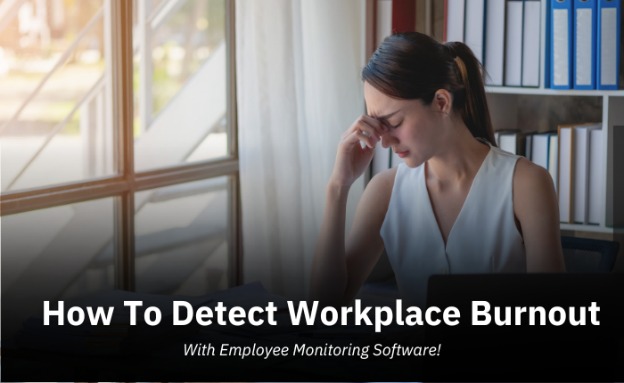
Workplace burnout is one of the most silent yet damaging challenges facing modern businesses today. It doesn’t just affect morale — it directly impacts productivity, creativity, employee retention, and overall company success. In today’s remote and hybrid work setups, burnout is even harder to detect. That’s where employee monitoring software steps in — not as a watchdog, but as a wellness ally.
If caught early, burnout can be managed and reversed. But the key is detection — identifying the signs before employees spiral into complete disengagement. Let’s explore how employee monitoring software helps you recognize the red flags and create a healthier, more productive environment for your team.
What Is Workplace Burnout?
Workplace burnout isn’t about a bad day or occasional fatigue — it’s a long-term response to unmanaged stress. According to the World Health Organization, burnout results from chronic workplace stress that hasn’t been successfully managed. It appears in three major ways:
- Emotional and physical exhaustion
- Detachment or cynicism towards one’s job
- Reduced performance and feelings of inefficacy
Burnout isn’t just tough on the individual — it creates ripple effects throughout teams and departments. Burned-out employees tend to take more sick days, make more errors, and experience lower job satisfaction. Over time, it can lead to high turnover, disengagement, and a weakened company culture.
Who’s Most at Risk?
While anyone can experience burnout, certain employees are more vulnerable:
- Managers and executives under constant pressure
- Remote workers who struggle with work-life balance
- Professionals in high-stress fields like healthcare or law
- Employees in companies with unclear roles, poor communication, or a culture of overwork
Even high performers aren’t immune — in fact, they’re often the most at risk due to their relentless drive and overcommitment. Employee monitoring software can help by offering objective data on work habits and patterns that might otherwise go unnoticed.
How Can Employee Monitoring Software Help?
Contrary to outdated notions, modern monitoring software isn’t just about time tracking. When used responsibly, it becomes a tool for insight — offering a clear picture of your team’s daily habits, work patterns, and potential signs of distress. Here’s how it helps you catch burnout before it’s too late:
1. Spotting Overwork and Extended Hours
One of the first signs of burnout is an employee consistently working late or skipping breaks. Monitoring software provides real-time data on login times, logout patterns, and total hours spent working. If a team member is clocking excessive hours without rest, it’s a sign that they might be pushing themselves too hard.
This data helps managers step in early — not to reprimand, but to check in, rebalance workloads, or encourage time off.
2. Promoting Regular Breaks
In digital or remote environments, it’s easy to skip breaks without realizing it. But working non-stop for long hours reduces focus and accelerates mental fatigue. Some monitoring software tools include break detection features, sending reminders if someone has been continuously active for too long.
These nudges help maintain cognitive health, improve concentration, and show employees that their well-being matters just as much as their output.
3. Analyzing Changes in Productivity
Burnout often creeps in gradually, starting with minor drops in performance. Employee monitoring software can detect dips in productivity, such as delayed task completion, lower keyboard/mouse activity, or irregular work sessions.
While these patterns don’t always mean burnout, they provide important clues. Managers can use them to initiate one-on-one check-ins, explore roadblocks, or offer flexible scheduling options.
4. Identifying Imbalanced Workloads
Not every burnout case is due to long hours — sometimes it’s about unfair task distribution. Monitoring tools give insights into which employees are overloaded while others are underutilized. This visibility enables managers to make equitable adjustments, ensuring work is distributed evenly and that no one team member bears the brunt of the pressure.
Balanced workloads also help foster a more collaborative environment where team members feel supported and seen.
5. Addressing Team-Wide Trends
Sometimes, burnout isn’t just affecting one person — it’s embedded in the team’s culture. When multiple employees show signs of fatigue, missed deadlines, or erratic performance, the issue may be systemic.
Employee monitoring software helps detect these broader trends, allowing leadership to take corrective action. Whether it’s revising KPIs, improving communication, or offering mental health resources, these changes can make a big difference in overall team morale.
Building Trust Around Monitoring
It’s important to note that successful use of monitoring software hinges on transparency and intention. When employees know that monitoring exists to support, not to control, they’re far more likely to accept it.
Here are a few ways to build trust:
- Clearly communicate what is being monitored and why
- Share how data will be used to support employee well-being
- Encourage feedback and involvement in decision-making
- Keep data anonymous or aggregated where possible
Used the right way, monitoring becomes a tool for mutual growth, not micromanagement.
Final Thoughts: Early Detection = Long-Term Success
Employee burnout isn’t something you can afford to ignore. It chips away at performance, culture, and long-term business sustainability. But with the right tools — like employee monitoring software — you can get ahead of the problem.
By detecting overwork, recognizing changes in behavior, and balancing workloads, you create an environment where employees feel cared for, not just measured. Healthy employees are productive employees. And when your team thrives, so does your business.
Start small. Monitor patterns, listen to your people, and lead with empathy. Let technology work for you — not as a replacement for human understanding, but as a powerful partner in building a workplace where well-being comes first.
Keep an eye for more latest news & updates on Buzz Feed!